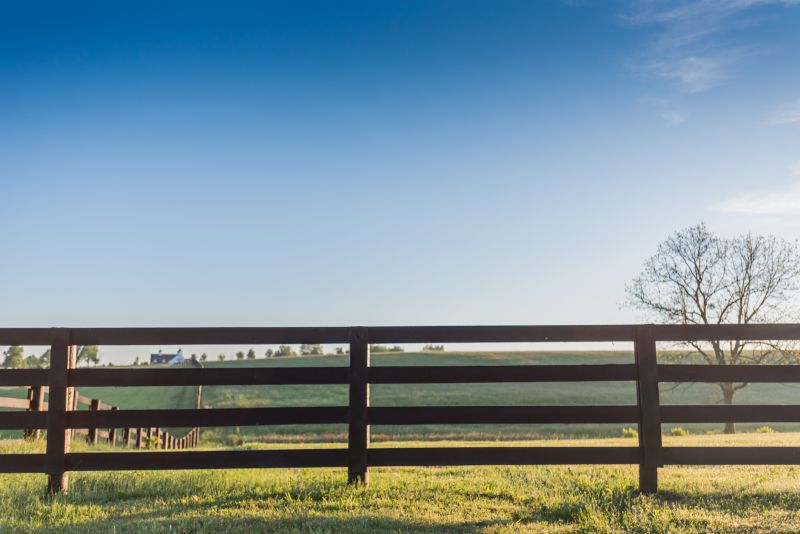
Equine Fence Installation in Sacramento, CA
Equine fence installation services involve constructing durable and secure enclosures designed specifically for horses and other livestock. These projects typically include selecting appropriate fencing materials such as wood, vinyl, or wire, and installing them around pastures, riding arenas, or property boundaries. Homeowners often seek these services to ensure their animals are safely contained, to define property lines, or to create designated riding or training areas. Understanding the different fencing options, their durability, and how they complement the landscape can help property owners make informed decisions before requesting installation.
Before requesting equine fence installation, property owners should consider factors such as the size and layout of the area to be enclosed, the type of livestock, and any local regulations or restrictions. It’s also useful to think about maintenance requirements, safety features like smooth edges or proper gate placement, and the overall aesthetic of the fencing. Clear communication about these needs can help ensure the final installation meets both functional and visual expectations for the property.
Many property owners in Sacramento, CA look into Equine Fence Installation for repairs, replacements, upgrades, and appearance-related improvements.
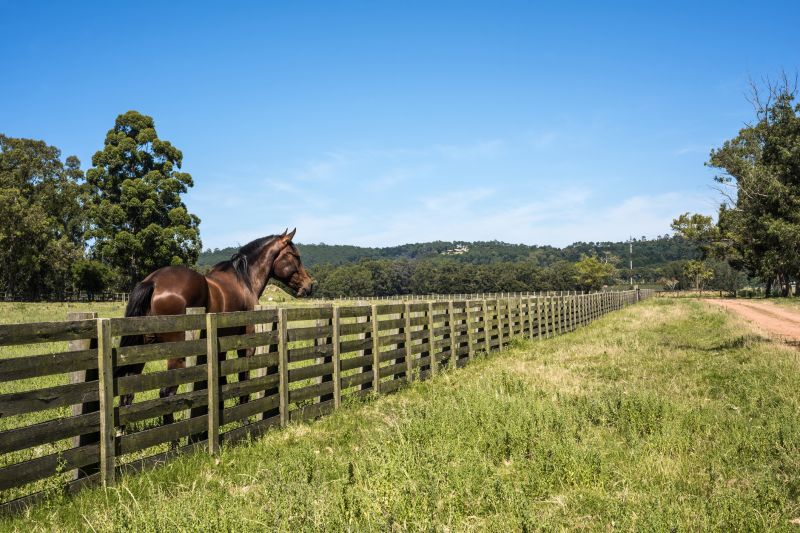
Types Of Equine Fences
Various fencing options are available to suit different horse safety and containment needs.
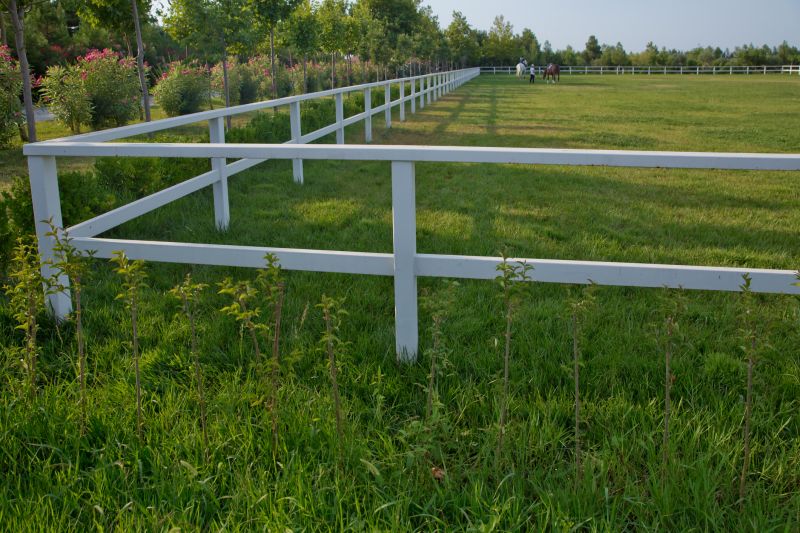
Design Considerations
Proper fence height, materials, and spacing are essential for secure and durable enclosures.
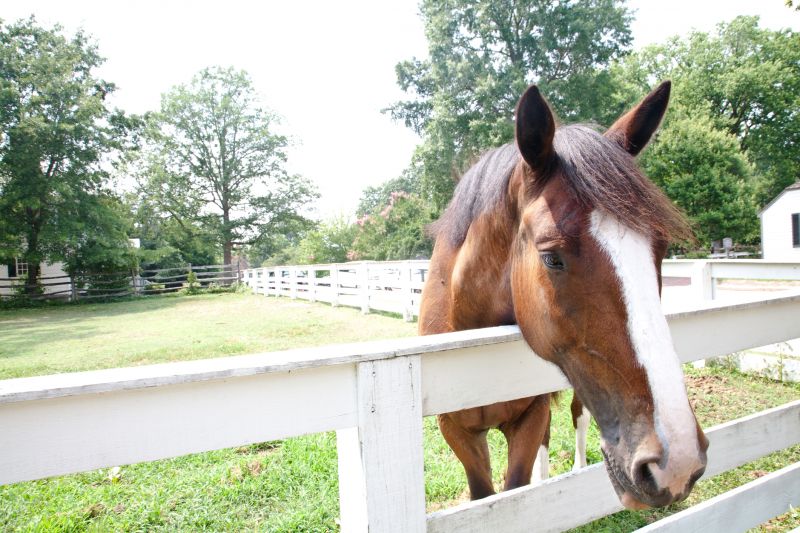
Installation Tips
Professional installation ensures fences are sturdy, safe, and suited for properties in sacramento and surrounding areas.
Equine Fence Installation in Sacramento, CA

Equine fence installation services involve constructing durable and secure enclosures designed specifically for horses and other livestock. These projects typically include selecting appropriate fencing materials such as wood, vinyl, or wire, and installing them around pastures, riding arenas, or property boundaries. Homeowners often seek these services to ensure their animals are safely contained, to define property lines, or to create designated riding or training areas. Understanding the different fencing options, their durability, and how they complement the landscape can help property owners make informed decisions before requesting installation.
Before requesting equine fence installation, property owners should consider factors such as the size and layout of the area to be enclosed, the type of livestock, and any local regulations or restrictions. It’s also useful to think about maintenance requirements, safety features like smooth edges or proper gate placement, and the overall aesthetic of the fencing. Clear communication about these needs can help ensure the final installation meets both functional and visual expectations for the property.
Many property owners in Sacramento, CA look into Equine Fence Installation for repairs, replacements, upgrades, and appearance-related improvements.
Common Equine Fence Installation Jobs
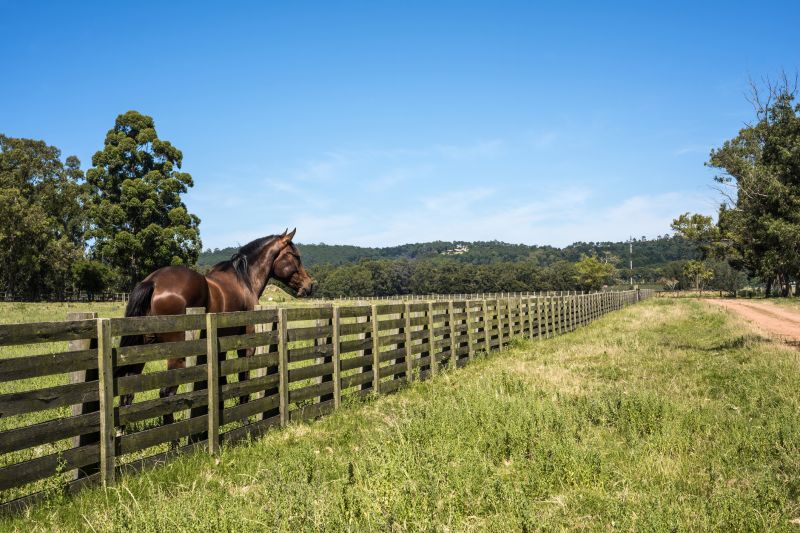
Wooden horse fences - provide a traditional look and sturdy boundary for pastures.
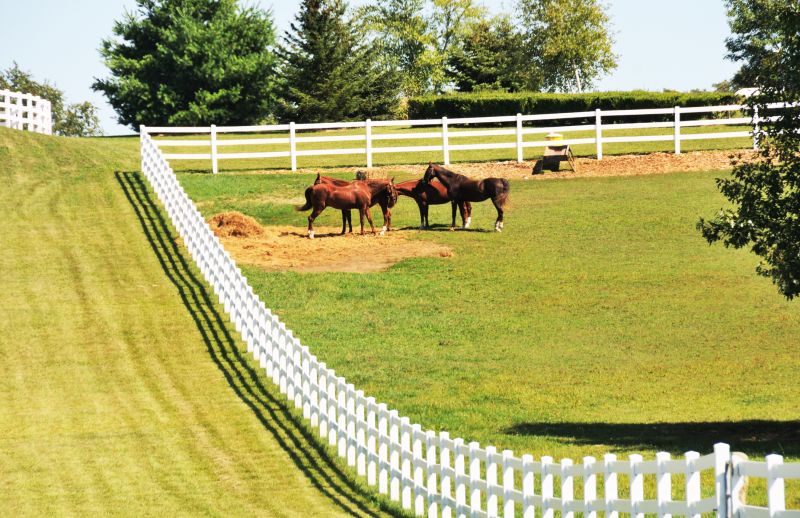
Vinyl fencing - offers low-maintenance and durable options for equine enclosures.
Pipe fencing - creates a strong, weather-resistant barrier suitable for high-traffic areas.
Electric fencing - helps control movement and prevent horses from escaping the designated area.
Post and rail fencing - enhances safety while maintaining an open, classic appearance.
Custom fencing solutions - tailored to fit specific property layouts and equine needs.
Equine Fence Installation Questions
What types of fencing materials are suitable for equine fencing? Common options include wood, vinyl, and electric fencing, each offering different levels of durability and visibility for horses.
How deep should fence posts be installed for horse enclosures? Posts are typically set at least one-third of their length into the ground to ensure stability and safety for horses.
What height should equine fences generally be? Fences are usually built between 4.5 to 5 feet high to prevent horses from jumping over.
Are there specific design considerations for safe horse fencing? Fencing should have smooth edges, avoid sharp corners, and use materials that prevent injury to horses during interaction.
Request Equine Fence Installation in Sacramento, CA
Use the quote form on this page to share the basics of your project and request more information for the type of work you need.